
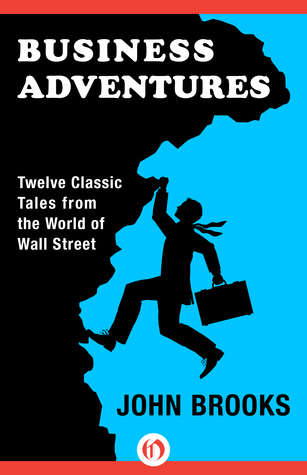
Business Adventures
Published:
Business Adventures
John Brooks
Wall Street journalist John Brooks tells 12 independent Stories about Wall Street.
Favourite ones:
1. Little Crash of ‘62: good display of the irrationality of market psychology.
2. Edsel: Good product when looking compared to past cars. Bad car for the present and the future.
4. Insiders of Texas Gulf: Nice little story about insider trading in a mining company when it discovered the biggest mine deposit of Canada.
5. Xerox: Story about company culture I guess. I liked reading about Xerox, a blue chip stock that failed.
7. General Electric Lack of Communication: Price Fixing between GE and competition due to a lack of communication understanding between various managers.
8. Piggly Wiggly Corner: Really good story about a failed short squeeze which made the owner of Piggly Wiggly bankrupt.
9. Lilienthal: Cool story about his life, going from the Director of the Nuclear Agency of US to private endeavours between a Mineral Mining Company where he was made CEO and made the company huge profits through good M&As and in Consulting for other Countries in energy projects such as the Dams of Iran near Susa.
10. Stockholder meetings: Amazing display of how shareholder meetings used to look like before conference calls. The chaos and management of Professional Shareholders, such as the lady that was a feminist activist that I have forgotten her name, was priceless. This no longer happens in the present.
11. Story about IP violations: Good story about a scientist going from one company to Latex to build space suits for the Apollo Mission. His old employer didn’t want him to go due to his trade secrets that he would use in the new job in his competitor. in the end his case was used as precedent for all the other trade secret violations by employees.
12. The Defense of Pound Sterling: Talks about the multi year battle of the central banks of USA, Europe, Japan and Canada against speculators that kept selling pound and wasting the UK’s central bank reserves since it had a promise of being between a certain margin to the USD meaning if it went below a certain point the bank had to buy pounds to make the price not fall and if it went above a certain price it had to buy gold or USD. in the end the pound got devalued to a lower value but a major crisis like the one of the great depression was averted. there was then a big attack on the USD which was successfully circumvented by using international cooperation between Central Banks. The main speculator was France which wanted the Pound and the USD to have less of an impact in the world and wanted a stronger Franc.