
Books
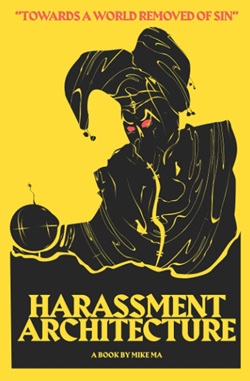
Harassment Architecture
Mike Ma
Boring, loser rambling. It reads like a 14-year-old trying to sound profound and arrogant at the same time. The ideas lack depth, the observations feel shallow. I came in expecting to find some genuinely interesting ideas, but I left wondering why anyone likes this book. The fact that this guy now works for Praxis makes it even funnier. I guess the Freedom Cities he dreams of retreating to after helping wreck everything else will be just as dull and self-important as his writing. Only an American could think like this.
Lives of Donne and Herbert
Izaak Walton
Walton’s prose is elegant and often charming, offering valuable insight into the religious and cultural world of early modern England. However, modern readers may find that the biographies lean more toward reverent portraiture than critical scholarship. The pacing can feel slow, and some anecdotes are included more for their moral or spiritual significance than their historical reliability.
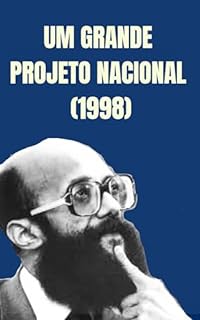
Um Grande Projeto Nacional
Enéas Carneiro
Um Grande Projeto Nacional presents Enéas Carneiro’s vision for Brazil’s economic development, national sovereignty, and industrial policy. Written in his direct and uncompromising style, the book argues for a stronger state role in strategic sectors, investment in science and technology, and the pursuit of greater national independence. Really formative.
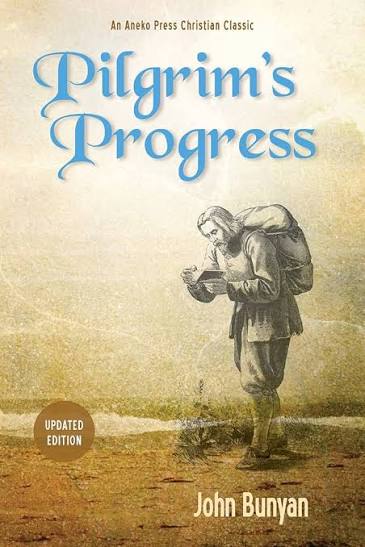
The Pilgrim's Progress
John Bunyan
The Pilgrim’s Progress is one of the most influential works of Christian literature ever written. If I am not mistaken is the first usage of “Christian allegory”. The allegorical journey of its protagonist, Christian, John Bunyan explores themes of faith, perseverance, temptation, and redemption in a way that has resonated with readers for centuries.
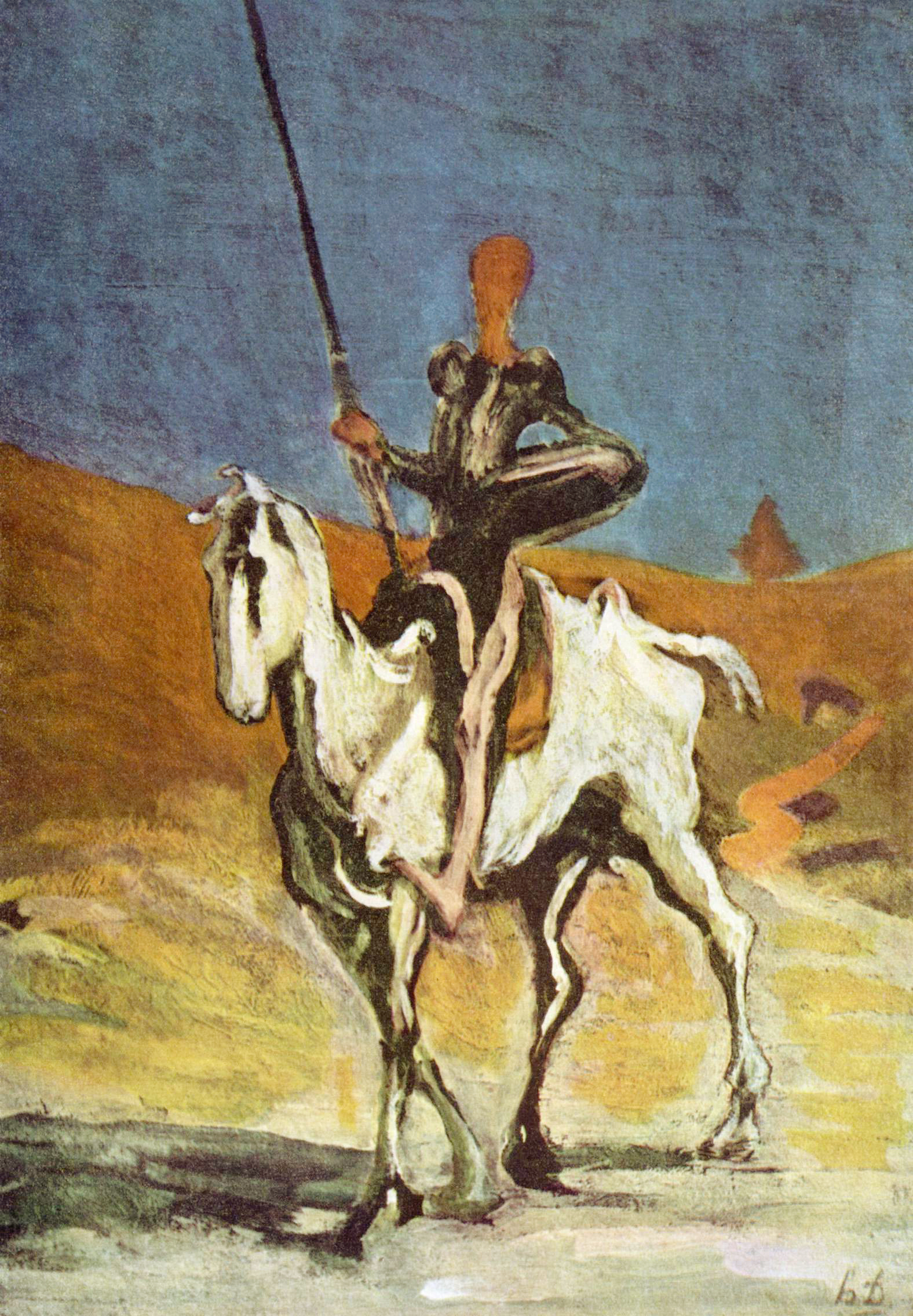
Dom Quixote de La Mancha
Miguel de Cervantes Saavedra
Only read part 1. The contrast between idealism and realism. I also liked quite a lot the story about being a christian captive in muslim Istanbul and Maghreb.
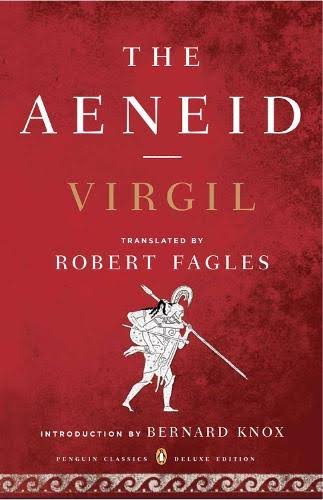
The Aeneid
Virgil
The Aeneid is Virgil’s enduring epic of duty, destiny, and the founding of Rome. Following the Trojan hero Aeneas on his journey across the Mediterranean, the poem combines stirring adventure with profound reflections on sacrifice, leadership, and the tension between personal desire and public responsibility.
Leadership in War: Essential Lessons from Those Who Made History
Andrew Roberts
In Leadership in War: Essential Lessons from Those Who Made History, Andrew Roberts examines the decisions, strengths, and shortcomings of some of the twentieth century’s most consequential wartime leaders. Drawing on well-known historical episodes, he explores how character, judgment, communication, and resolve shaped the course of major conflicts.
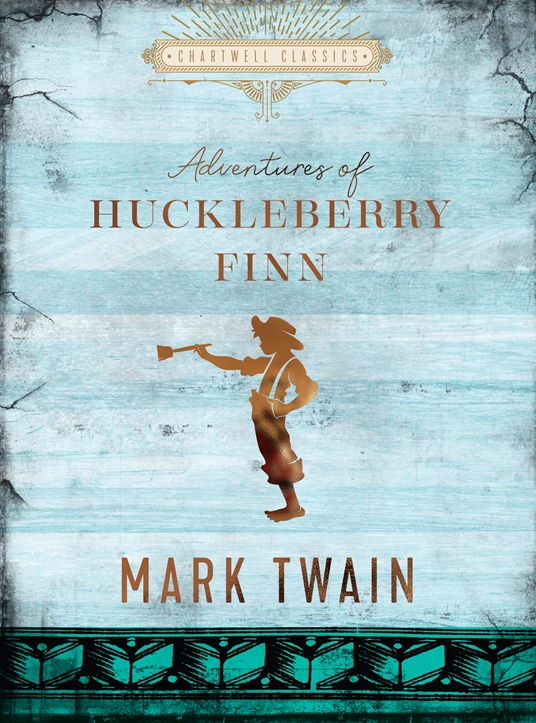
The Adventures of Huckleberry Finn
Mark Twain
The Adventures of Huckleberry Finn is Mark Twain’s classic novel of adventure, friendship, and moral growth. Following Huck and the escaped enslaved man Jim as they journey down the Mississippi River, the story blends humor, satire, and social criticism into one of the most influential works of American literature.
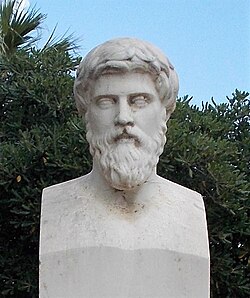
The Rise and Fall of Athens: Nine Greek Lives
Plutarch
The Rise and Fall of Athens: Nine Greek Lives collects Plutarch’s biographies of some of the most influential figures in Athenian history, tracing the city’s ascent from its early leaders to the statesmen and generals who shaped—and ultimately weakened—its power. Blending historical narrative with moral reflection, the work offers a compelling portrait of classical Greece through the lives of remarkable individuals.
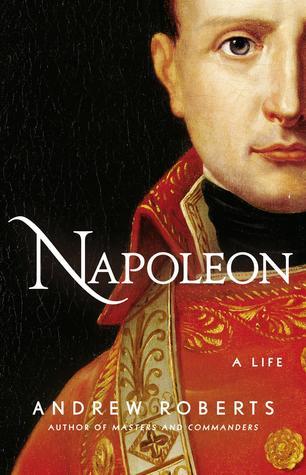
Napoleon: A Life
Andrew Roberts
Incredible life. One of the most powerful energies ever shaped in human form. Even a book of nearly 1,000 pages cannot fully capture the depth and richness he deserved. In fact, entire volumes have been written about just a few months of his life at a time.
The Origin of Species
Charles Darwin
Hard book to review. On the Origin of Species often reads like Charles Darwin presenting possibilities rather than firm conclusions. He frequently admits uncertainty and notes the lack of definitive proof. His arguments rely largely on observation and personal reasoning, which sometimes makes the justification feel weak.
The Adventures of Tom Sawyer
Mark Twain
Mark Twain captures the essence of boyhood adventure with a timeless charm that still resonates today. Tom Sawyer is the embodiment of youthful mischief and clever ingenuity a boy who turns the ordinary into the extraordinary through imagination and wit.
Developing an Investment Philosophy
Philip A. Fisher
Fisher’s work on investment philosophy provides a solid foundation for thinking systematically about investments. The core ideas are valuable and thought-provoking, encouraging readers to move beyond formulaic approaches and develop genuine conviction in their investment decisions.
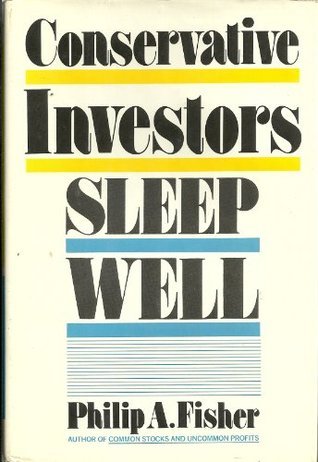
Conservative Investors Sleep Well
Philip A. Fisher
Fisher delivers pragmatic wisdom on risk management and the psychology of conservative investing. This book speaks directly to investors who understand that the best investment returns come not from heroic bets but from disciplined, thoughtful decision-making paired with careful risk assessment.
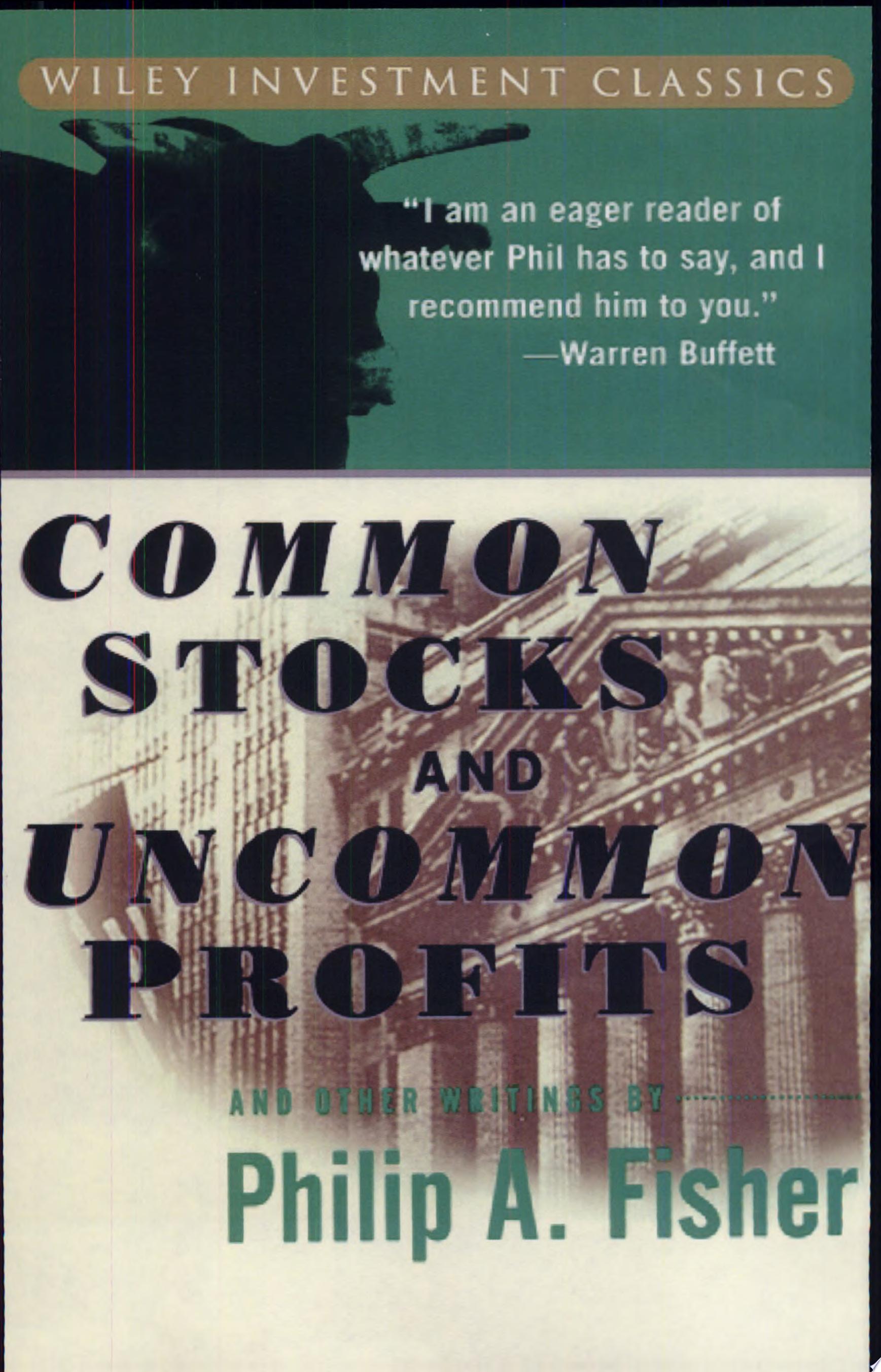
Common Stocks and Uncommon Profits and Other Writings
Philip A. Fisher
Fisher’s seminal work on growth stock investing remains remarkably relevant decades after publication. His “scuttlebutt” method gathering intelligence directly from customers, competitors, and industry insiders provides a refreshingly practical approach to fundamental analysis that cuts through noise.
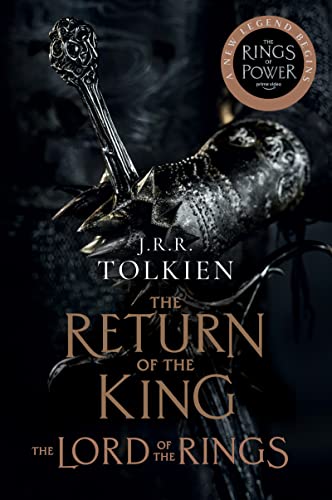
The Return of the King (The Lord of the Rings, #3)
J.R.R. Tolkien
The final chapter of Tolkien’s epic trilogy delivers an ending that feels both grand and intimate. The return of the king, the fall of Sauron, and the ultimate fate of the Ring are handled with careful attention to the emotional weight these moments carry.
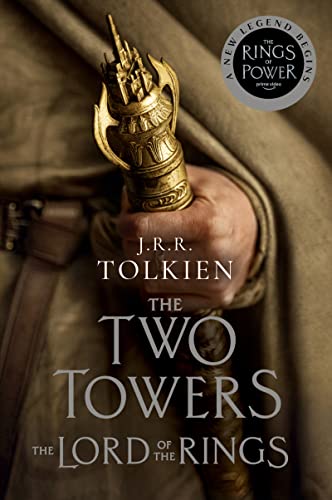
The Two Towers (The Lord of the Rings, #2)
J.R.R. Tolkien
The middle chapter of Tolkien’s trilogy strikes a masterful balance between expanding scope and maintaining narrative tension. The fellowship’s fracturing forces different characters to face their individual challenges, creating multiple compelling storylines that interweave seamlessly.
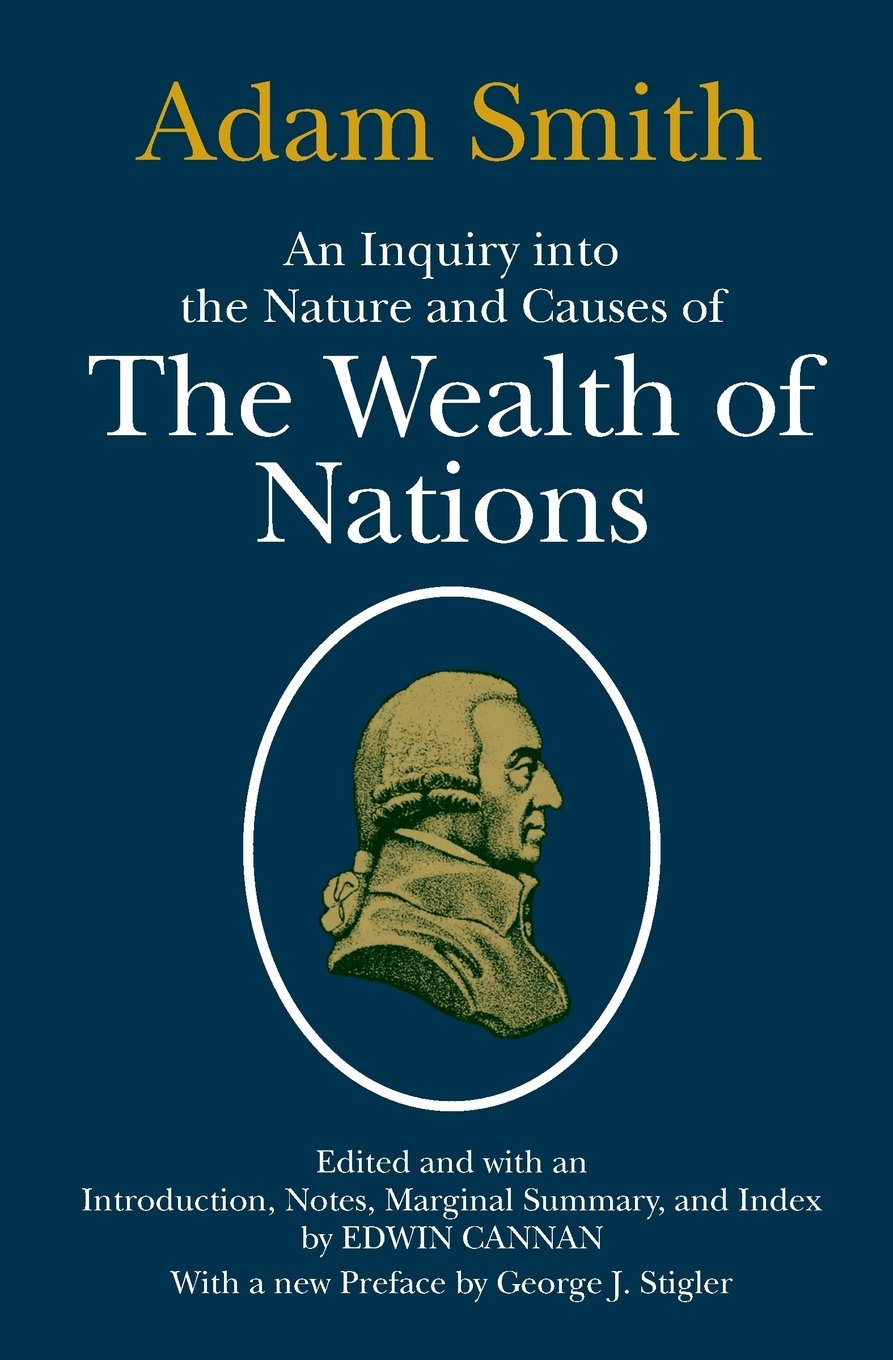
An Inquiry into the Nature and Causes of the Wealth of Nations
Adam Smith
The Wealth of Nations is undeniably important, but for me it’s a 2/5. The ideas are powerful; the reading experience is not. It’s dense, repetitive, and often a chore to get through.
Letters and Treatises of Cicero and Pliny
Marcus Tullius Cicero & Pliny
These letters offer an unfiltered window into the minds and daily lives of two brilliant figures from Rome’s classical period. Cicero’s correspondence reveals a master of language wrestling with political turmoil, ambition, and the preservation of the Republic. His prose is elegant even in personal correspondence.
Valve: Handbook for New Employees
Valve
This deceptively slim handbook encapsulates a radical approach to organizational culture and management that stands in stark contrast to conventional corporate hierarchy. Valve’s flat organizational structure, empowered decision-making, and trust-based culture offer a compelling vision of how creative work can flourish.
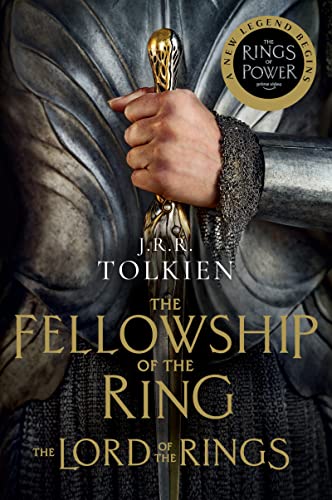
The Fellowship of the Ring (The Lord of the Rings, #1)
J.R.R. Tolkien
Tolkien’s opening to his epic trilogy masterfully establishes a fully realized world while grounding the story in intimate, personal relationships. The journey from the Shire to Rivendell is more than mere scenery it’s a bildungsroman in which Frodo transforms from a sheltered hobbit into someone capable of bearing impossible responsibility.
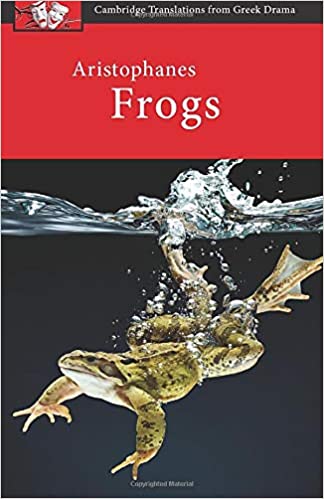
The Frogs
Aristophanes
Aristophanes delivers comedy that is simultaneously hilarious and intellectually substantive. The absurdist premise Dionysus traveling to the underworld to retrieve a dead playwright serves as a vehicle for sharp social commentary on Athenian culture, theater, and the decline of intellectual standards.
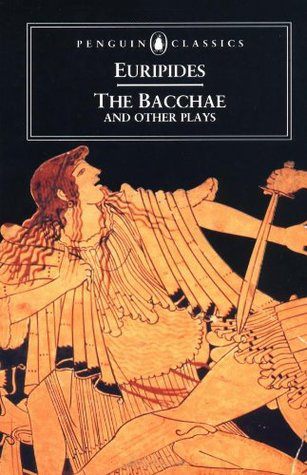
The Bacchae
Euripides
Euripides’ final play is a haunting examination of religious fervor, the consequences of denying divine power, and the terrifying price of transgression. The story of King Pentheus and his fatal encounter with Dionysus operates on multiple levels as myth, as psychological exploration, and as a warning about the dangers of excess and denial.
Hippolytos
Euripides
Euripides crafts a tragedy rooted in the collision between human passion and rigid virtue. The story of Phaedra’s forbidden desire and Hippolytus’s austere devotion creates an emotionally charged exploration of desire, shame, and the often-arbitrary nature of moral judgment.
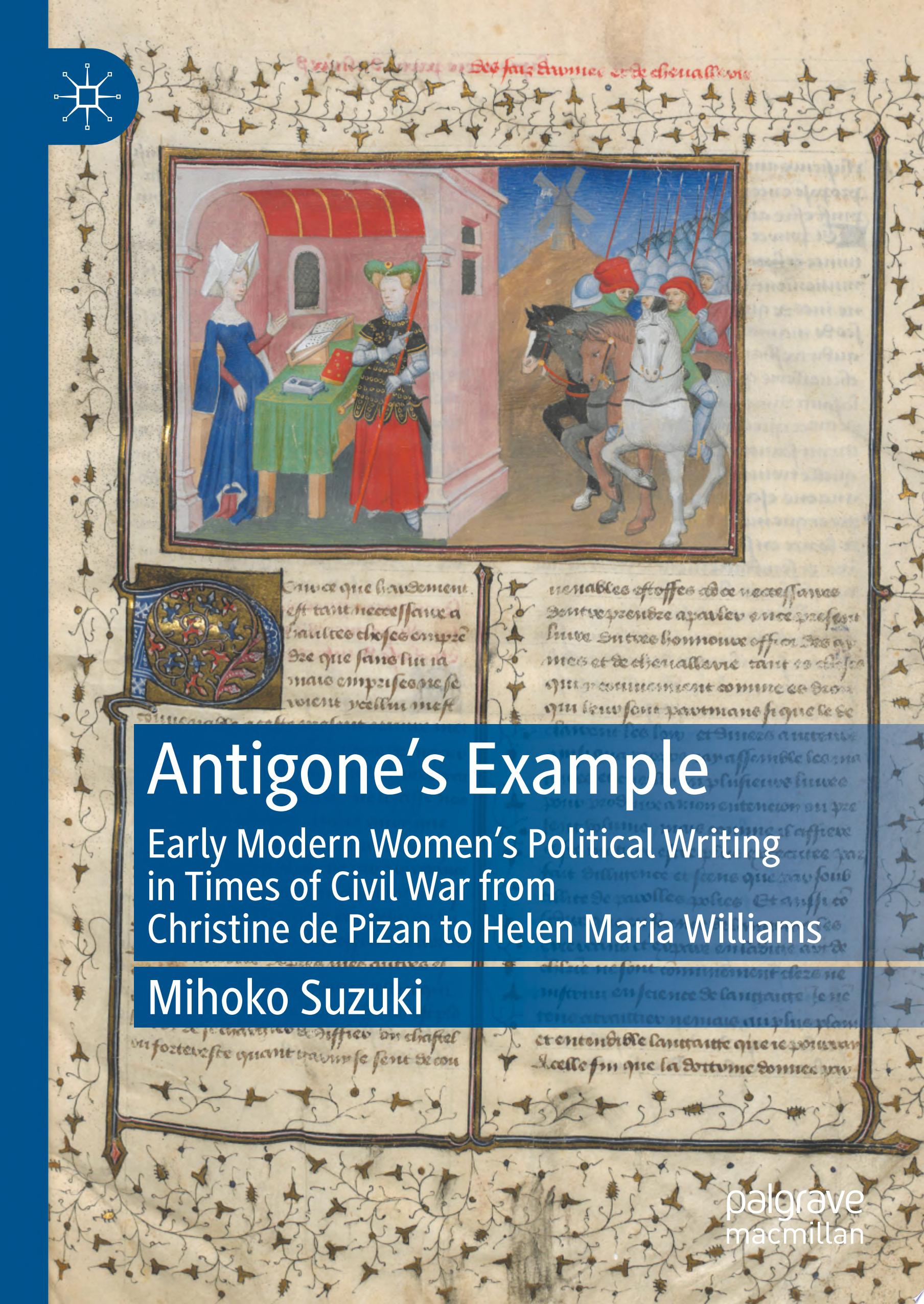
Antigone (Theban Plays, #3)
Sophocles
Sophocles presents perhaps the most compelling meditation on the conflict between personal conscience and state authority. Antigone’s defiance of Creon’s decree becomes a timeless symbol of individual moral conviction standing against institutional power.
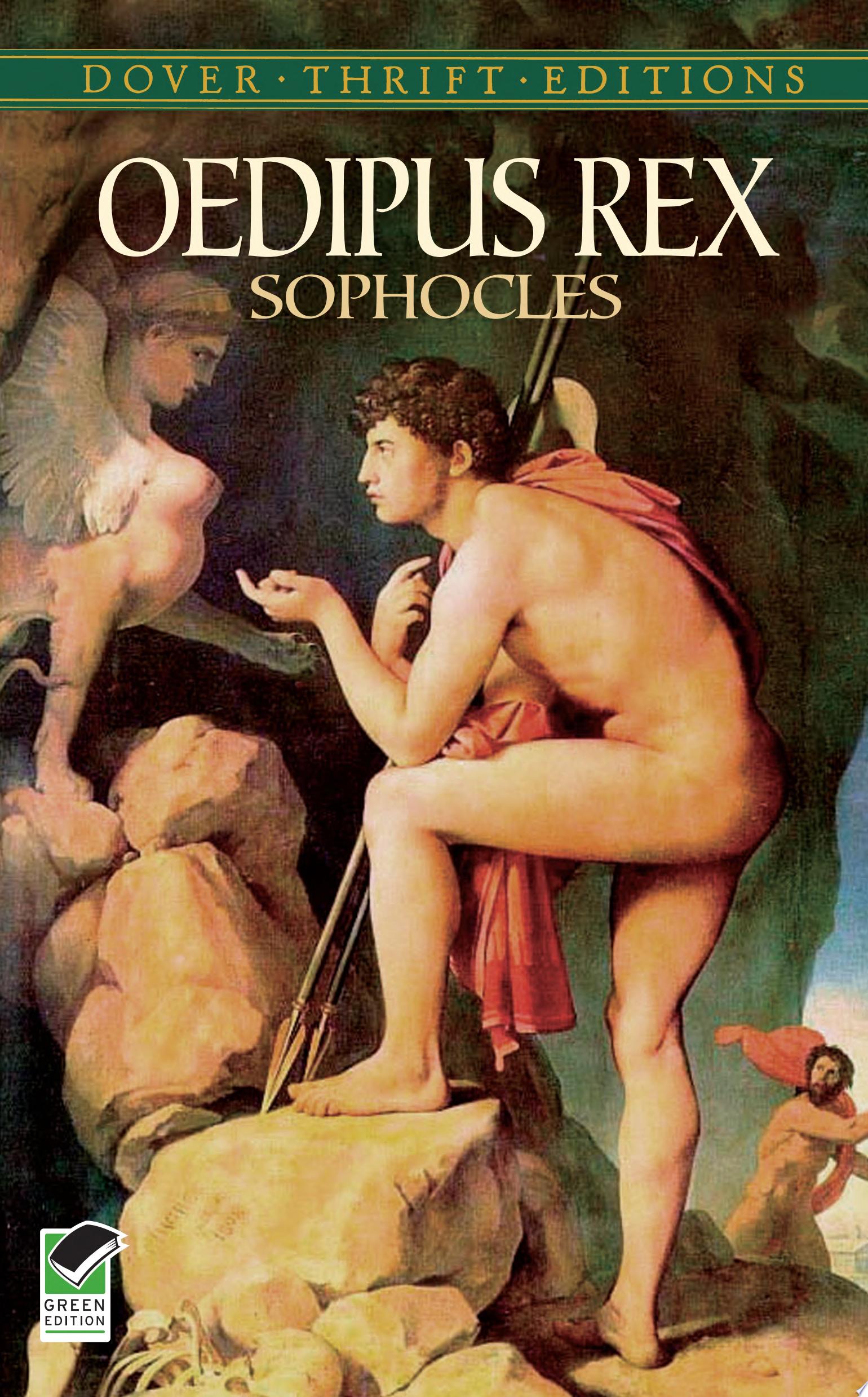
Oedipus Rex (The Theban Plays, #1)
Sophocles
Sophocles achieves something remarkable: a play whose tragic inevitability is so perfectly crafted that it remains gripping even when you know the outcome. Oedipus Rex is the gold standard of dramatic tragedy, a masterpiece of structure, irony, and human insight.
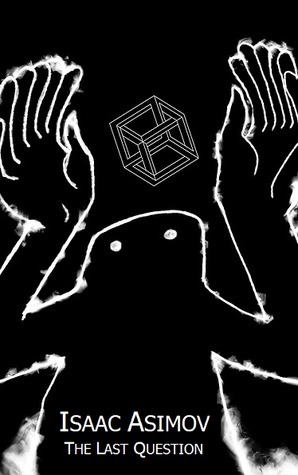
The Last Question
Isaac Asimov
Asimov’s novella is a stunning example of idea-driven science fiction executed with remarkable economy. The story follows a single question posed across different time periods to increasingly sophisticated artificial intelligences, creating a narrative that spans millennia.
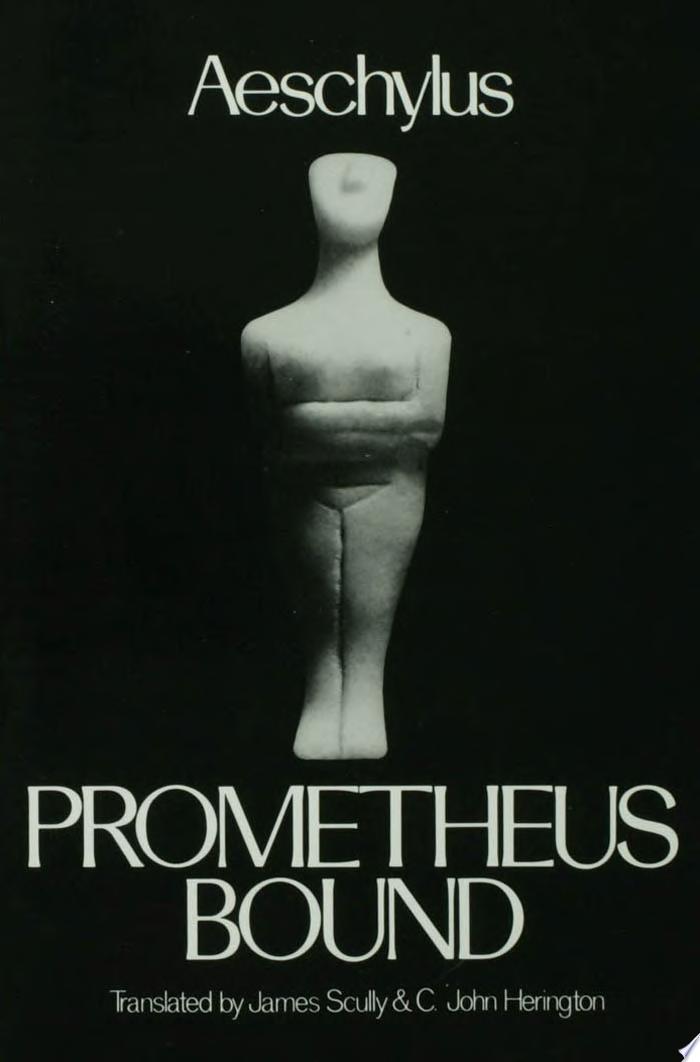
Prometheus Bound
Aeschylus
Tyranny vs. Justice (Zeus’s rule vs. Prometheus’s moral rebellion) and Suffering and Endurance are central themes of this play, which made me appreciate it.
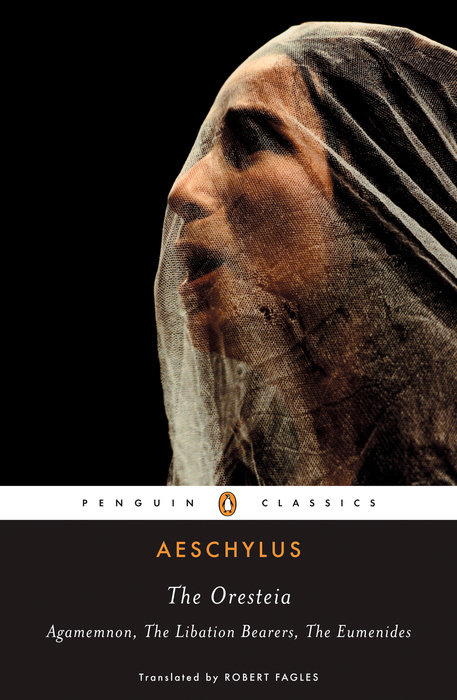
The Oresteia: Agamemnon, The Libation Bearers, The Eumenides
Aeschylus
Aeschylus’s trilogy is a monumental achievement in dramatic scope and thematic ambition. The cycle of vengeance spanning three generations from Agamemnon’s murder through Orestes’ torment to the ultimate resolution creates an epic meditation on justice, consequence, and the possibility of breaking cycles of violence.
The Chronicle of Henry of Livonia
Henricus de Lettis
This book single-handedly rekindled my love for books, for which I am eternal grateful to Henry of Livonia. His writing, albeit in translated form, kept me hooked to his chronicles until the very end. Thank you Henry of Livonia, kind friend. May you continue to rest in peace as you surely have until now.
Business Adventures
John Brooks
Wall Street journalist John Brooks tells 12 independent Stories about Wall Street.
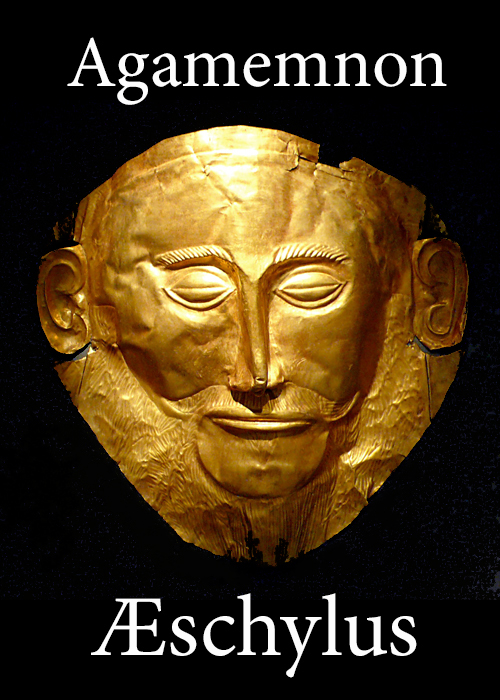
Oresteia
Aeschylus
Instead of reading it, I decided to watch a play instead, the BBC’s adaptation of Oresteia. Greek classics often come alive best through performance, and this one really did.
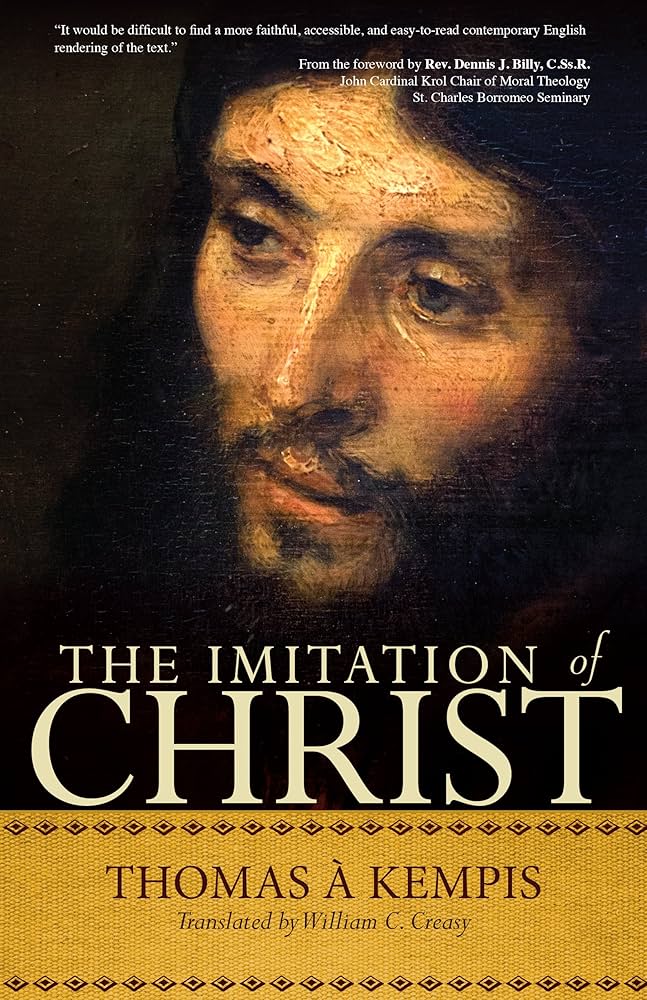
Imitation of Christ
Thomas a Kempis
I can see why it has inspired people for centuries. There’s a real sincerity in its call to let go of pride and worldly distraction. Some passages are sharp in their simplicity, like they were written straight from the heart.
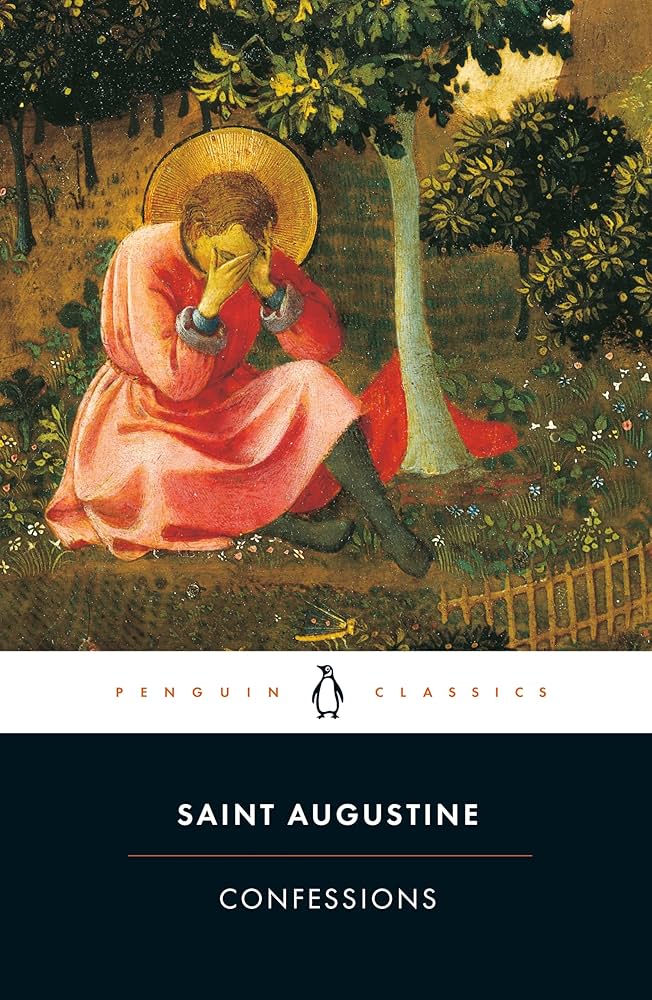
Confessions
Augustine of Hippo
I found the autobiographical parts especially moving and courageous. It’s rare to see someone from that time write so openly about their own weaknesses, especially in the Roman Empire, where people were expected to be tough.
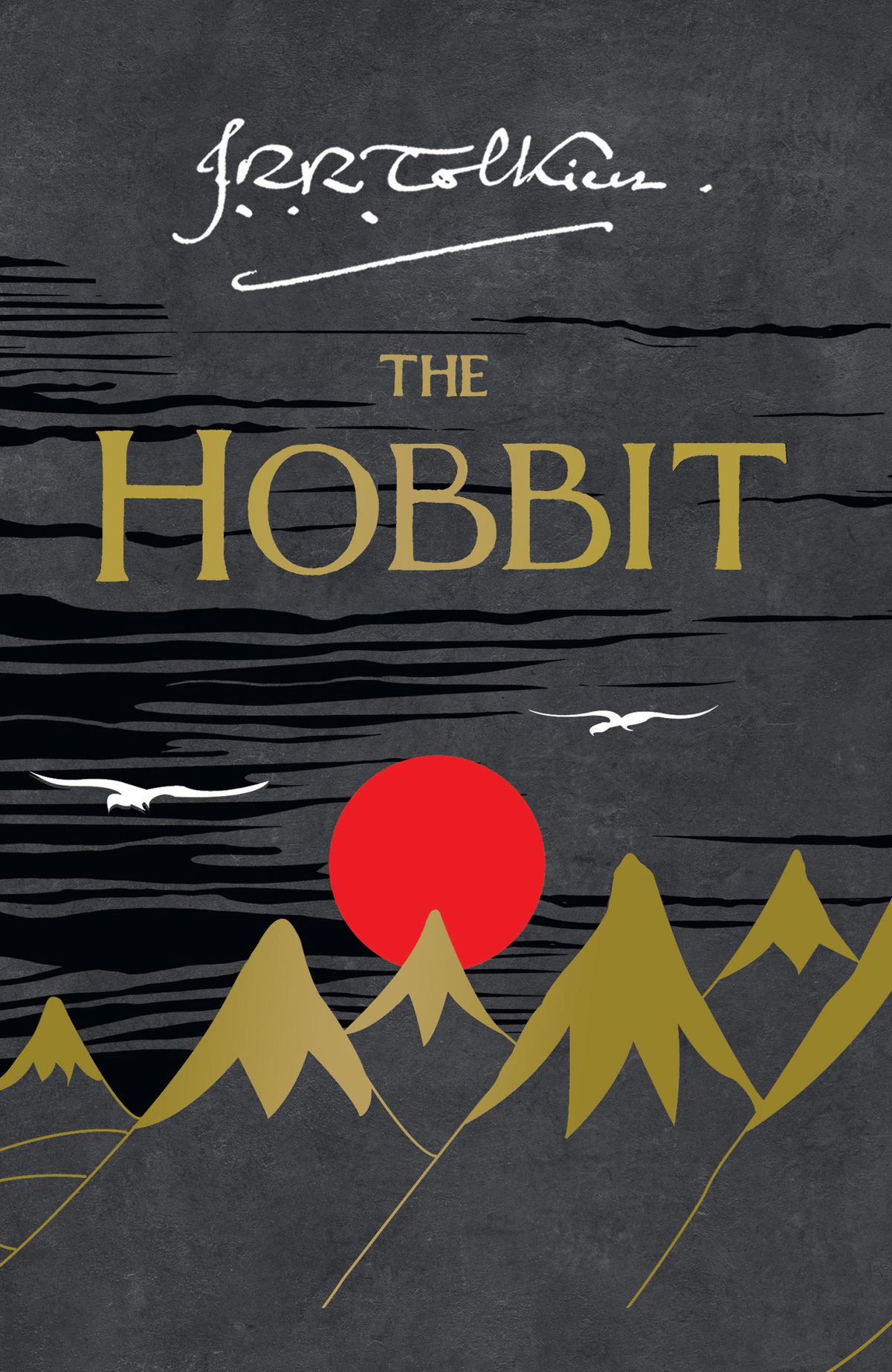
The Hobbit
Tolkien
Tolkien has a rare way of blending the warmth of home with the thrill of adventure. Through Bilbo’s reluctant journey, we watch an ordinary soul find unexpected courage and cleverness amid dwarves, dragons, and riddling creatures in the dark.
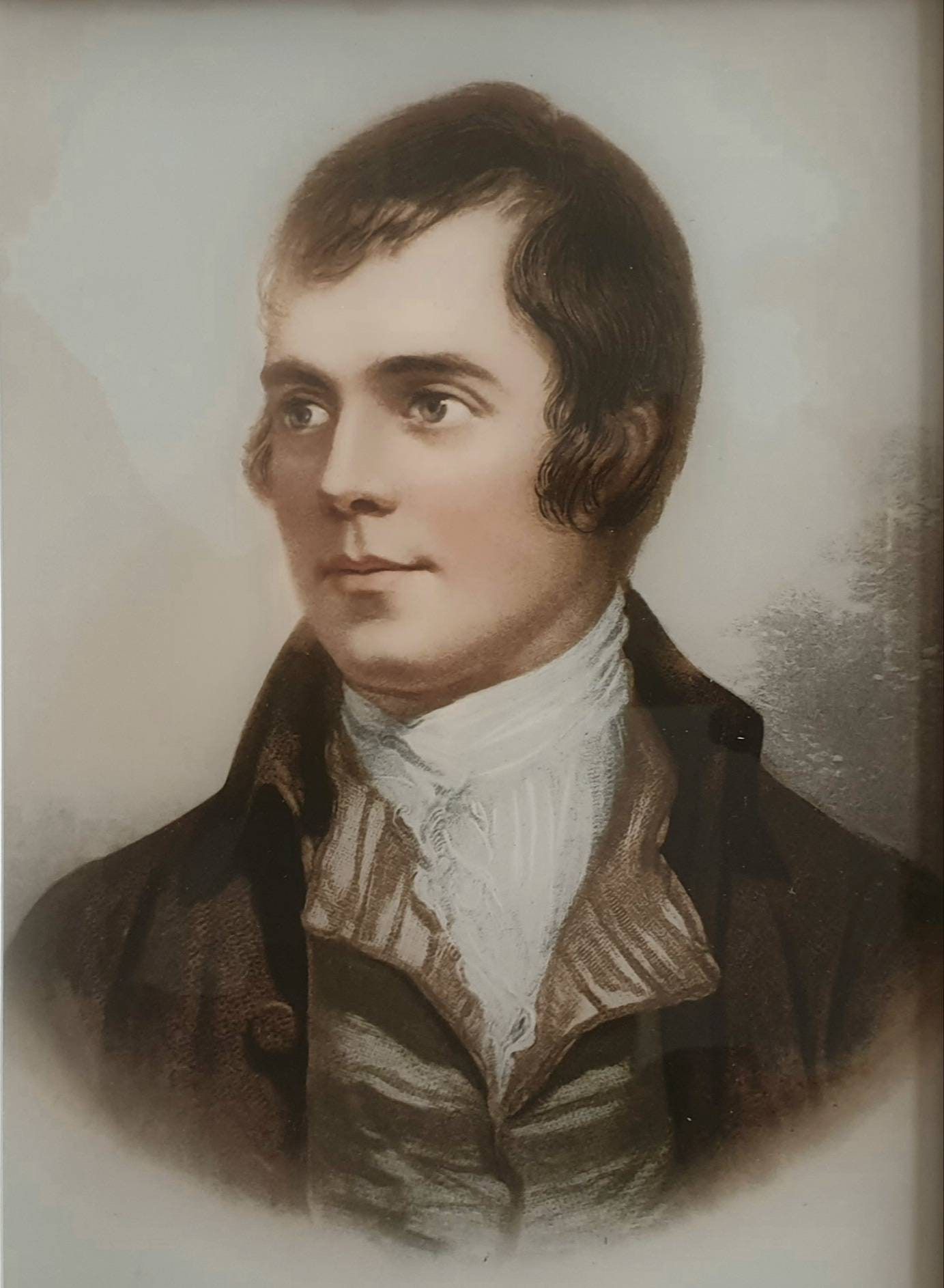
Poems and Songs of Robert Burns
Robert Burns
Reading Poems and Songs of Robert Burns was an interesting mix of charm and challenge. Burns has a way of writing that feels warm and familiar, even when the language isn’t. The Scottish dialect tripped me up more than once, and there were moments when I had to slow down to figure out what was being said.
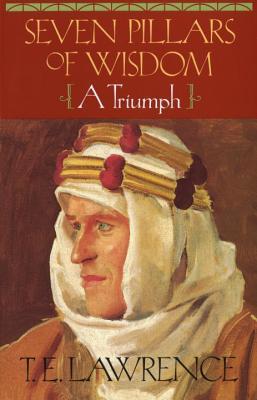
Seven Pillars of Wisdom
T.E. Lawrence aka Lawrence of Arabia
Seven Pillars of Wisdom shows how sharp and driven Lawrence was, both as a thinker and a leader.
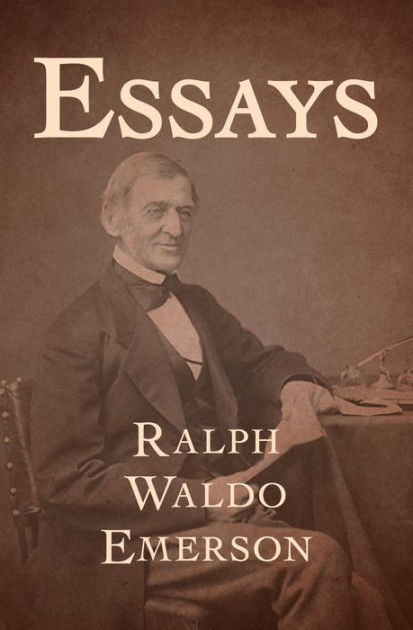
Essays & English Traits
Ralph Waldo Emerson
It’s undeniable that Waldo had a profound influence on American idealism. However, I found his essays rather difficult to read. They’re so densely packed with astute language and unusual phrasing that I often struggle to grasp his main point.
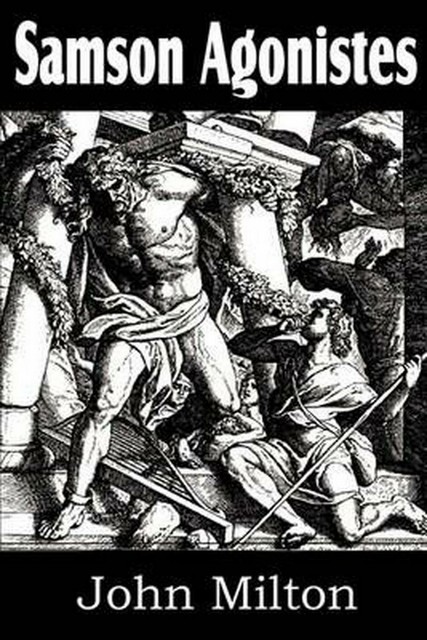
Samson Agonistes
John Milton
Samson Agonistes was the last of Milton’s works I read. After the great epics, after the shorter poems, leaving aside only the divorce treatises and some scattered postal correspondence.
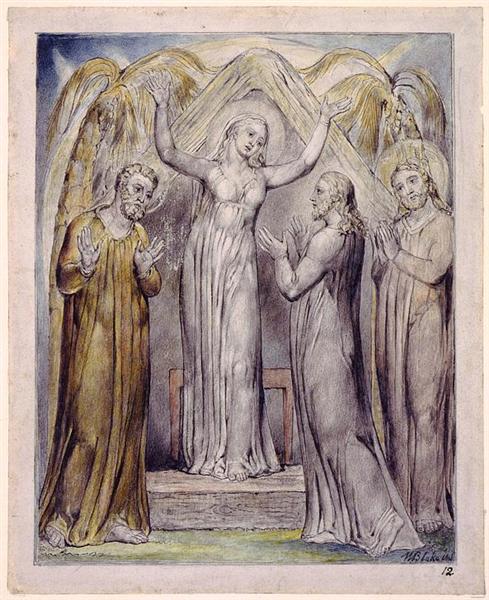
Paradise Regained
John Milton
If Paradise Lost is Milton’s cathedral, then Paradise Regained is his chapel. Smaller, quieter, yet no less profound.
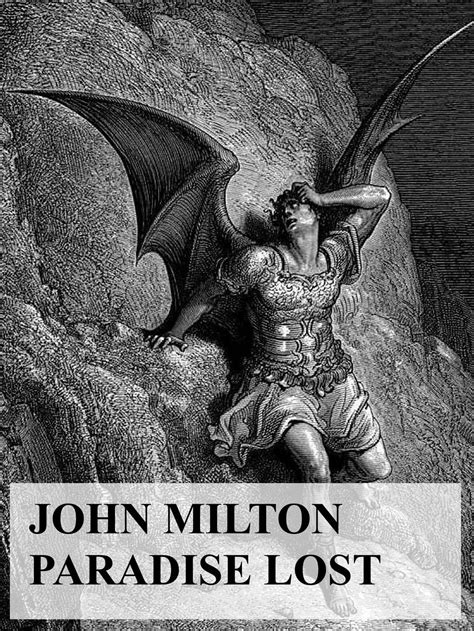
Paradise Lost
John Milton
Calling Paradise Lost a masterpiece almost feels redundant, yet that’s the only word that captures the weight and power of Milton’s verse. A masterpiece with an errata.

Blindness
José Saramago
I began reading Blindness on December 10th and only managed to finish it on May 1st. Thanks solely to the power outage that hit Portugal and Spain that day, which left me with nothing else to do.
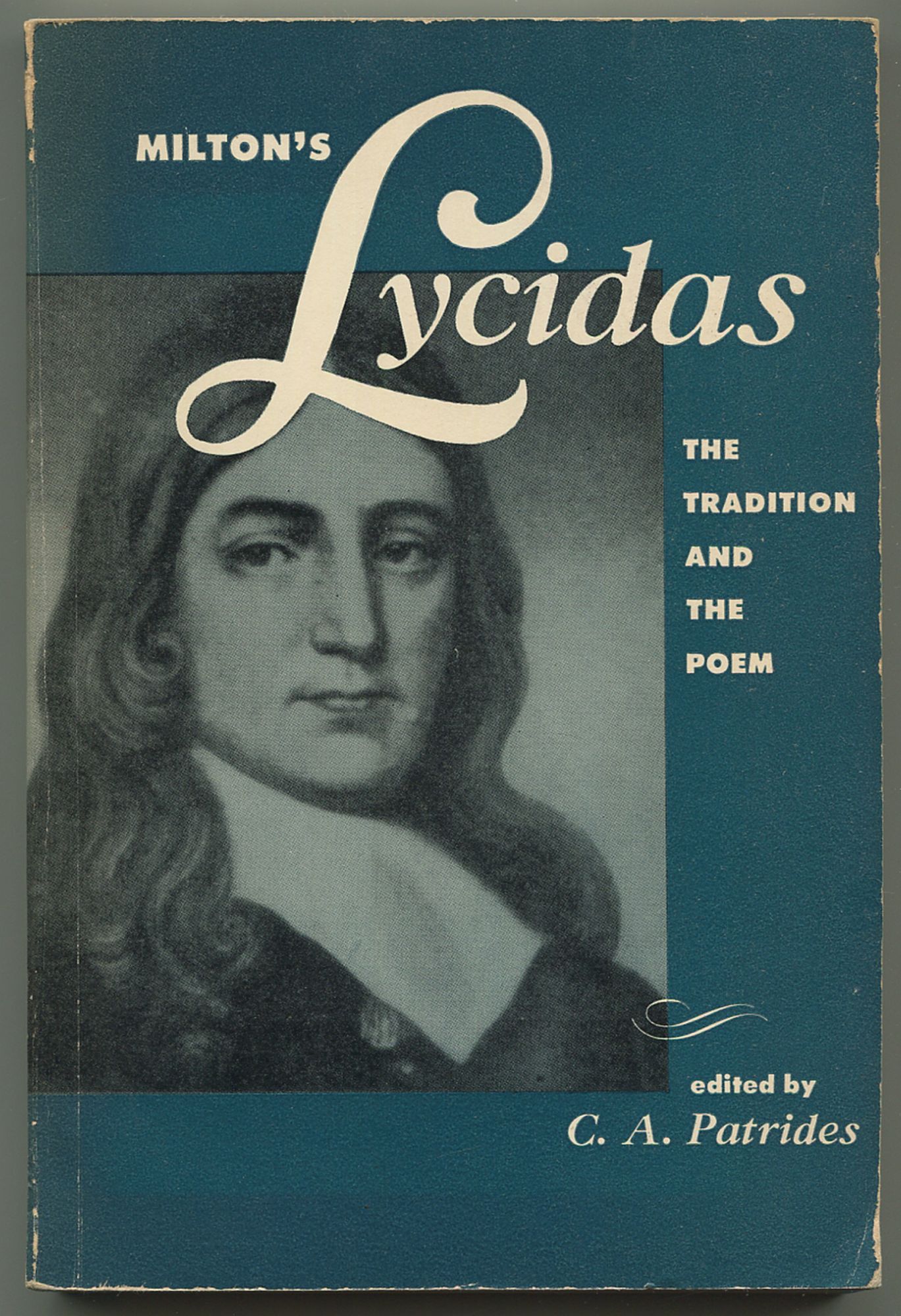
Lycidas
John Milton
This is a poem worth savoring—as nearly all great poetry is—line by line, unpacking its meanings and allusions. The repetition of sounds like the o’s evoke mourning, while the softer l’s lend lightness, each sound portrays the feelings of this passionate poem.
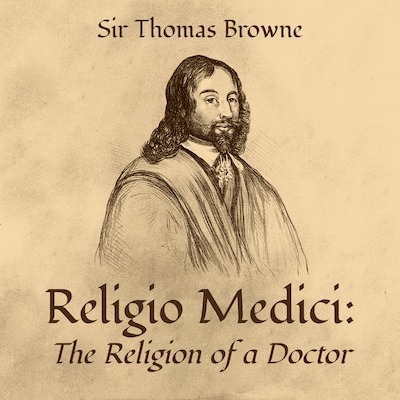
Religio Medici
Thomas Browne
Thomas Browne’s Religio Medici (1643) is part confession, part meditation, and part intellectual experiment. As both a medical physician and a man of deep faith, Browne wrestles with the relationship between science, religion, and personal belief. The result is a book that feels deeply human, full of paradoxes, humility, and a curiosity about the world that resonates even today.
Tractate of Education
John Milton
John Milton’s Of Education (1644), often called Tractate of Education, is a concise but ambitious vision for reforming learning in England. He argued for a rigorous and practical education: not just book-learning, but training that united language, philosophy, science, and moral development to prepare citizens for active service in church and state.
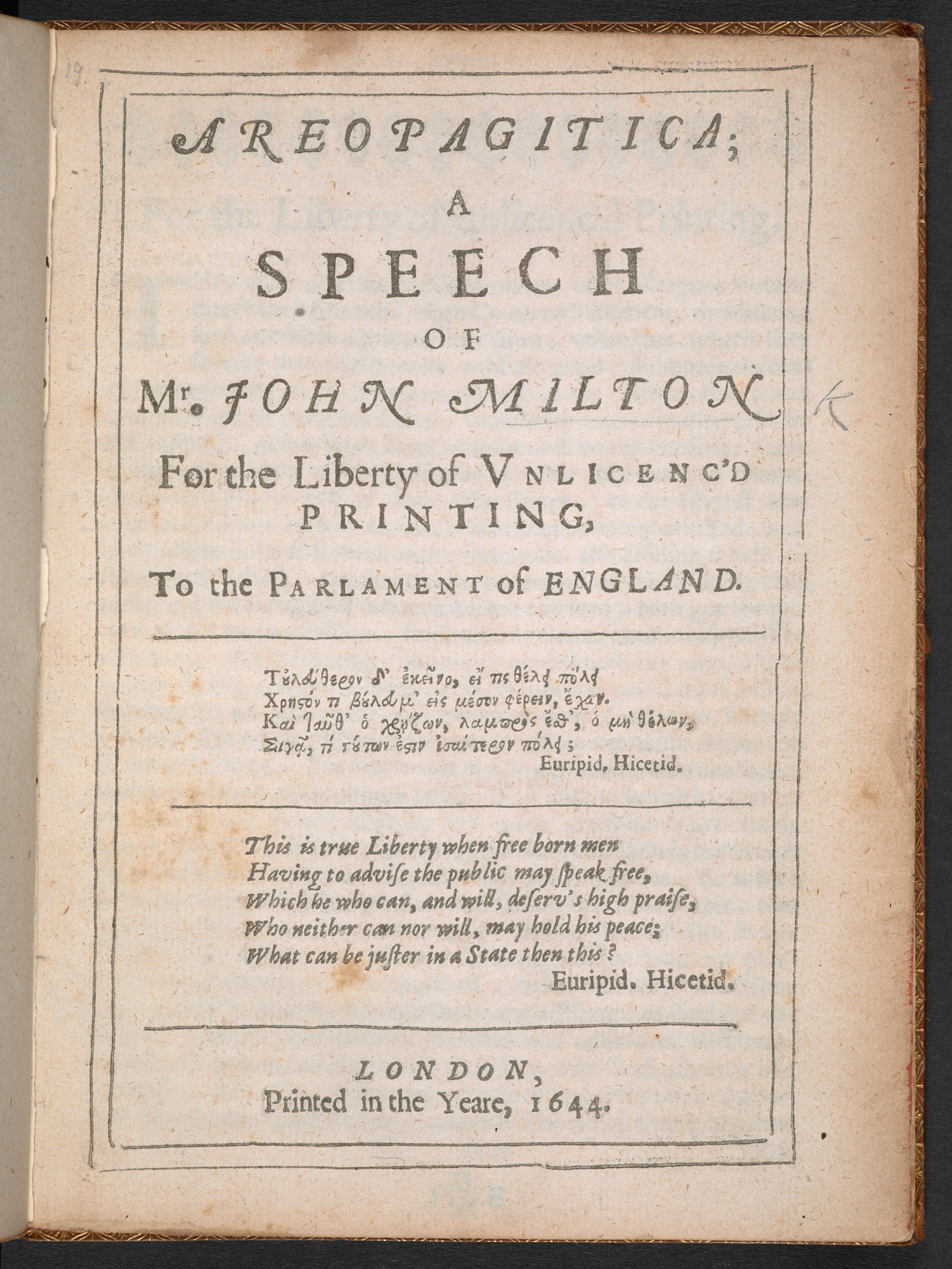
Aeropagitica
John Milton
John Milton’s Areopagitica (1644) is one of the most important defenses of free speech and liberty of conscience in the English Renaissance. Using rethoric, it is written against government licensing of books, Milton argued that truth does not need protection from error, it thrives in open contest, where falsehood can be tested and defeated.
The New Atlantis
Francis Bacon
I really loved this book, even though many dismiss it or find it unappealing, to me it’s one of Bacon’s most imaginative and profound works. It’s not just a text on science; it’s a dream of community. Discovery, learning, and collective welfare come together.
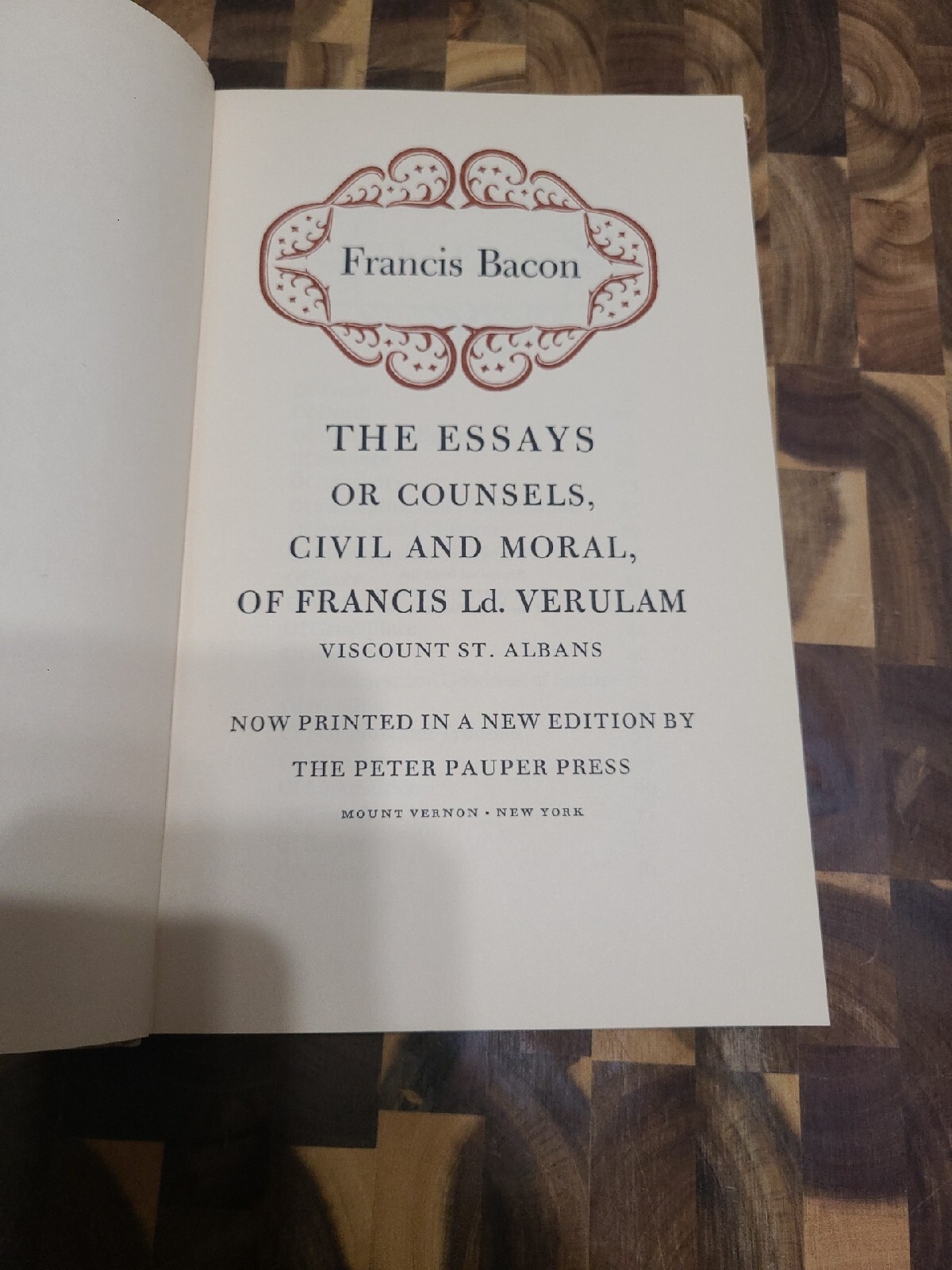
The Essays and Counsels, Civil and Moral of Francis Bacon
Francis Bacon
Francis Bacon is a cornerstone of the English Renaissance (one of my favourite cultural epochs) and marks him as the father of empiricism. He pushed for a methodical, observation-driven approach to knowledge at a time when dogma and tradition dominated. Without him, modern science and rational inquiry would have taken a very different path.
The Meditations of Marcus Aurelius
Marcus Aurelius
The Meditations is often presented as timeless wisdom for personal discipline and resilience. Its focus on inner strength, humility, and endurance under hardship is undeniably valuable.
The Golden Sayings
Epictetus
Epictetus’s Golden Sayings belongs to the same Stoic tradition that made Marcus Aurelius’s Meditations famous.
Phaedo
Plato
Phaedo brings us to the final scene: Socrates’ last hours before drinking the hemlock (poison). Here, Plato turns from the courtroom and the prison cell to the most intimate and profound question. What happens after death?
Crito
Plato
If Apology shows Socrates’ fearless defense before the jury, Crito reveals the quieter but equally weighty moment that follows: his refusal to escape prison even when offered the chance. In this dialogue, Socrates argues that justice cannot be served by breaking the law, even if the law has wronged him. His loyalty to principle, and to the social fabric of the city, outweighs the instinct for self-preservation.
Apology
Plato
Plato’s Apology is one of the most powerful works of ancient philosophy, presenting Socrates’ defense speech during his trial in Athens. Socrates refuses to compromise his principles, even under threat of death, making the dialogue a lasting statement on integrity and moral courage.
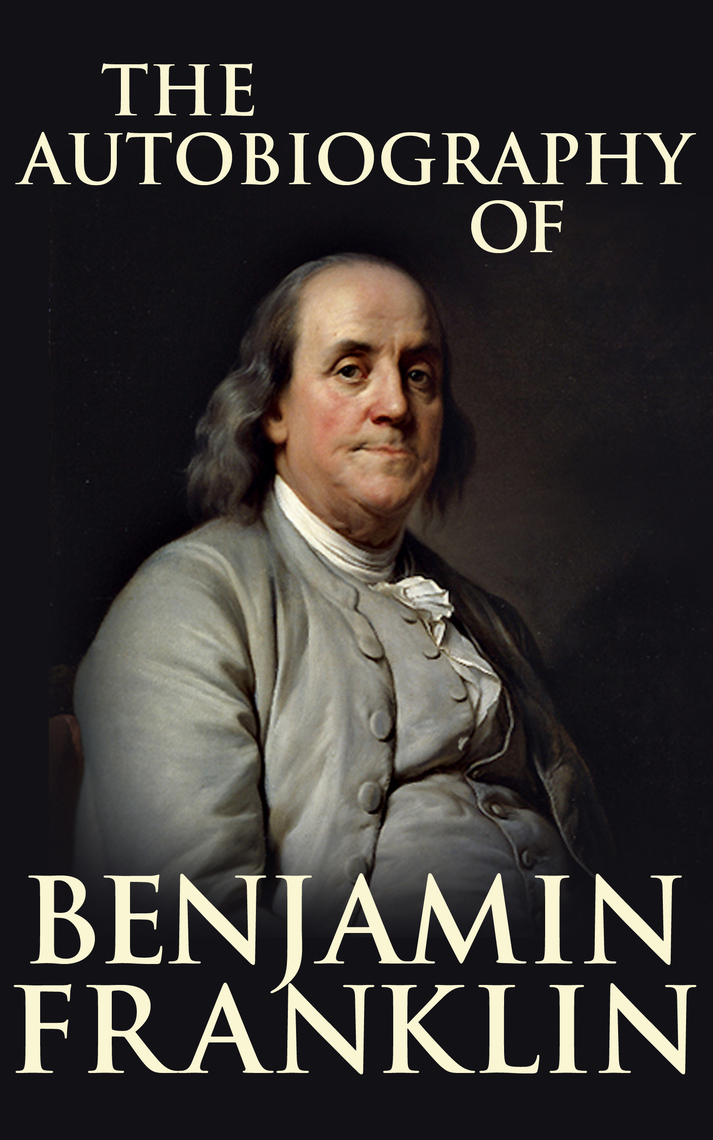
Autobiography
Benjamin Franklin
Benjamin Franklin’s Autobiography is one of the most enduring works of self-reflection in the American tradition. Part memoir, part manual for self-improvement, it traces Franklin’s journey from modest beginnings to prominence as a printer, inventor, and statesman. What gives the book its lasting appeal is not only the story of success but the mindset behind it: industriousness, frugality, curiosity, and a restless drive toward self-betterment.
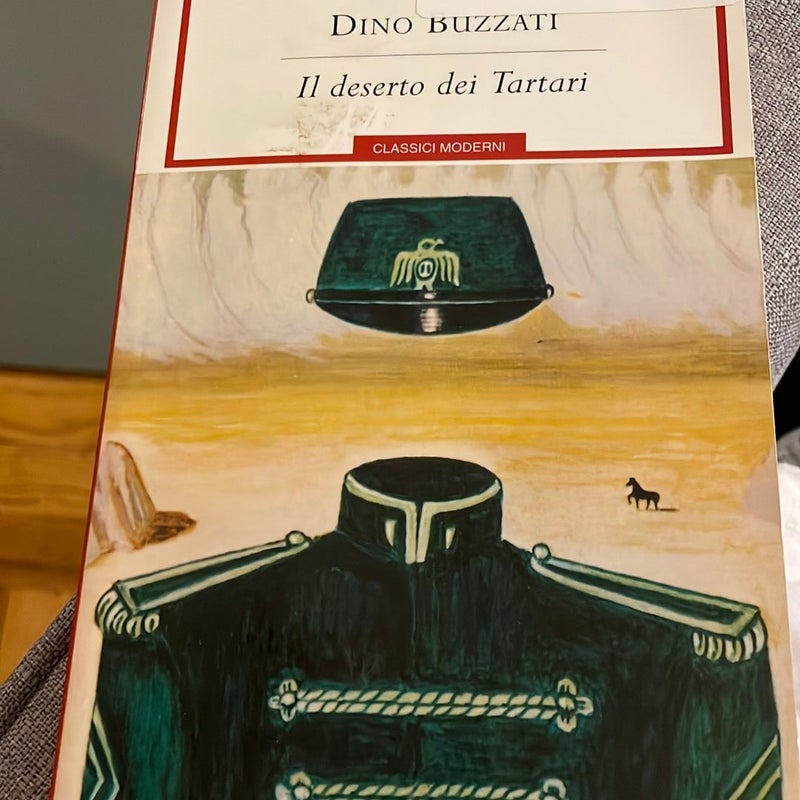
The Tartar Steppe
Dino Buzzati
Dino Buzzati’s The Tartar Steppe tells the story of Giovanni Drogo, a young officer assigned to a remote fortress where life is consumed by waiting for an enemy that may never arrive. The novel’s power lies in this atmosphere of suspended time: the endless routines, the fleeting hopes, and the haunting sense that life is passing by while one waits for meaning to arrive from outside.