
Religio Medici
Published:
Religio Medici
Thomas Browne
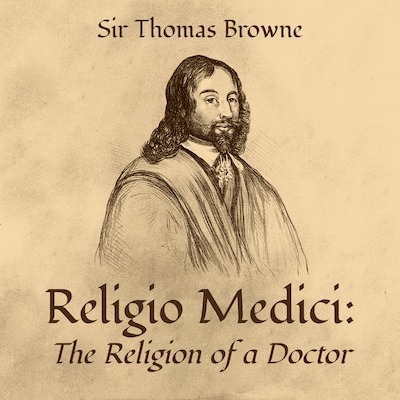
Thomas Browne’s Religio Medici (1643) is part confession, part meditation, and part intellectual experiment. As both a medical physician and a man of deep faith, Browne wrestles with the relationship between science, religion, and personal belief. The result is a book that feels deeply human, full of paradoxes, humility, and a curiosity about the world that resonates even today.
My reflections: This is an important and unusual book. Browne doesn’t resolve the tension between reason and faith so much as live within it, and that makes Religio Medici compelling. It is less systematic than Bacon or Milton, but more intimate: Browne shows what it looks like to think in a world where science and religion were not yet split.
I also want to read his later work, Hydriotaphia, or Urn Burial. Written after the discovery of Roman urns in Norwich, where he reflects on death, memory, and the transience of human life.