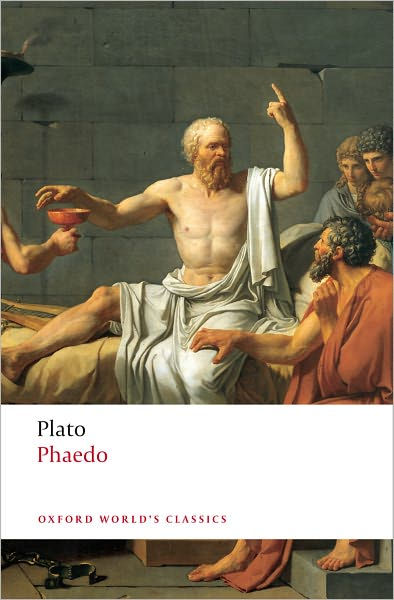
Phaedo
Published:
Phaedo
Plato
Phaedo brings us to the final scene: Socrates’ last hours before drinking the hemlock (poison). Here, Plato turns from the courtroom and the prison cell to the most intimate and profound question. What happens after death?
The dialogue weaves together philosophy and drama. Socrates calmly reasons about the immortality of the soul, offering arguments that blend logic with myth, while his friends grieve the impending loss. Their sorrow meets Socrates’ serenity. In Socrates’ composure, we see philosophy not as an abstract exercise but as a preparation for death, a way of living that frees one from fear.
Of all the books I’ve read in this collection, Phaedo stands out as my favorite. It presses us to consider what we believe about the soul, but more importantly, how those beliefs shape the way we live and face mortality. Socrates’ death is not tragic resignation but the culmination of a life lived in pursuit of truth.